Carl Locksmith Service Team
Local locksmith team
Mar 27, 2026 11 min read
Running a business in DuPage County — whether you're managing a medical office off Roosevelt Road in Wheaton, a retail storefront near Oakbrook Center, or a warehouse along the I-88 corridor — means your physical security is never a small concern. The right commercial locksmith does a lot more than cut keys. They design layered access systems, install and service mortise locks and high-security door hardware, advise on access control upgrades, and respond when something goes wrong at 2 a.m. on a Tuesday. The problem is that not every locksmith who answers the phone is equipped to handle commercial-grade work.
This guide breaks down exactly what to look for when choosing a commercial locksmith for your DuPage County business — covering master key systems, electronic access control, mortise lock installation and repair, and the questions you should ask before anyone touches your door hardware. Whether you're securing a single suite or an entire multi-tenant building, these are the factors that separate a genuinely qualified locksmith from one who will leave you more vulnerable than when they arrived.
## What a Real Commercial Locksmith Does (Beyond Cutting Keys)
The scope of commercial locksmith services goes far beyond what most people picture. A qualified commercial locksmith designs and implements security systems that match how your building actually functions — who enters which doors, at what times, and with what credentials. For most commercial properties in DuPage County, that starts with a proper assessment of your existing door hardware. Many older commercial buildings along Main Street in Glen Ellyn or in Naperville's downtown district still rely on outdated cylindrical locksets that offer minimal pick and bump resistance. A skilled locksmith will identify those weak points and recommend replacements that meet current commercial standards.
Here is a concrete picture of the full range of services a capable commercial locksmith should be able to deliver: mortise lock installation and repair, deadbolt installation and upgrade, master key system design, rekeying existing locks, key control programs (restricted keyways), electronic keypad and keycard access control installation, panic bar and exit device installation, door closer installation and adjustment, high-security cylinder upgrades, filing cabinet and desk lock service, mailbox lock replacement, storefront door lock service, sliding door lock installation, roll-up door lock solutions, intercom and buzzer system integration, safe installation and combination changes, lock-out service for employees and managers, door frame reinforcement, strike plate upgrades, peephole installation, door hinge security reinforcement, lock replacement after a break-in, CCTV-compatible access control integration, tenant re-keying between leases, and after-hours emergency response. That is the baseline. If a locksmith cannot speak fluently about most of those services, they are not the right fit for a commercial property.
## The Mortise Lock — Why It's the Cornerstone of Commercial Door Security
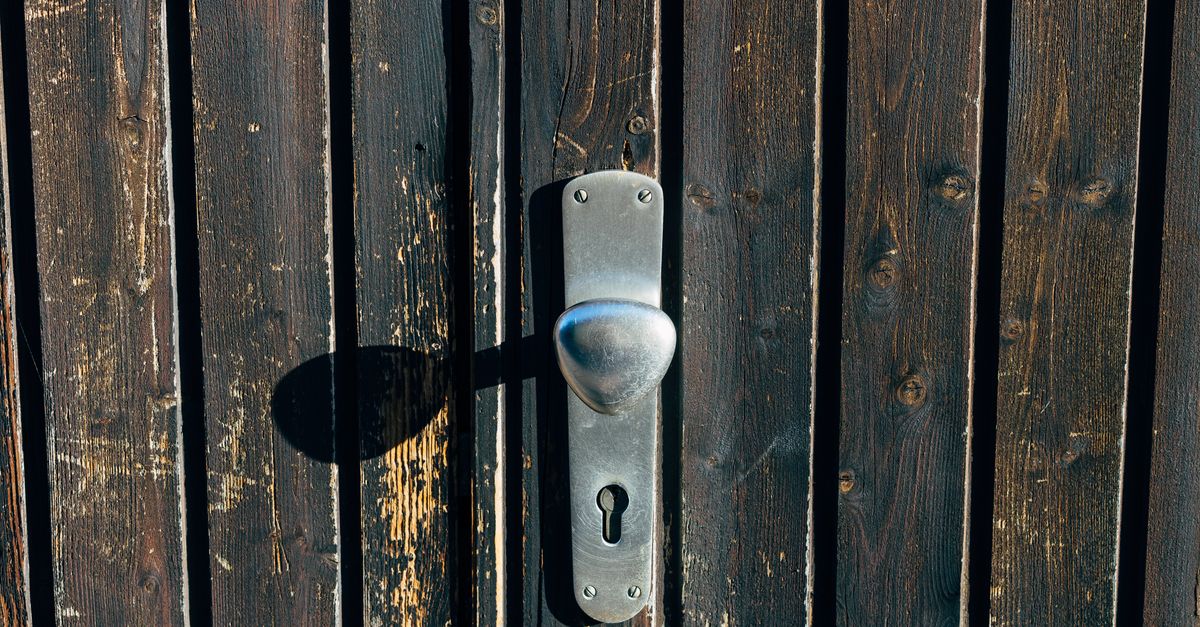
If there is one piece of hardware that defines serious commercial security, it is the mortise lock. Unlike a standard cylindrical lockset that simply bores through a door, a mortise lock is set into a deep rectangular pocket cut into the door edge. This design integrates the latch, deadbolt, and sometimes a privacy or passage function into a single robust body, making the lock dramatically stronger and harder to defeat through twisting, prying, or shimming. For commercial doors that see heavy daily use — a front entrance, a server room, a pharmacy dispensary — a mortise lock is not a luxury, it is the appropriate tool.
Choosing a commercial locksmith who is experienced with mortise locks matters for two reasons. First, installation requires precise mortising of the door, correct backset measurement, and accurate alignment of the strike box in the frame — errors here lead to premature wear, misalignment, and eventual failure. Second, mortise lock cylinders can be rekeyed or upgraded independently of the lock body, which makes them highly adaptable to master key systems and restricted keyways. Brands like Schlage and other commercial-grade manufacturers produce mortise lock bodies designed to last decades when properly installed. Ask any locksmith you are considering whether they regularly install and service mortise locks — the answer will tell you a great deal about their commercial experience.
## Master Key Systems and Access Control — Getting the Architecture Right
A master key system is one of the most powerful tools available to a commercial property owner or manager, and one of the easiest to get wrong. When designed correctly, it allows a building owner to carry a single master key that opens every door, while department managers carry submasters that open only their zones, and individual employees carry change keys that open only their assigned spaces. When designed poorly — or when a locksmith simply strings keys together without a documented system — you end up with security gaps, lost key exposure, and a system that is nearly impossible to expand later.
Electronic access control adds another dimension. Keypad door locks and keycard systems let you control access without cutting physical keys, change codes or credentials remotely, and generate audit logs showing exactly who entered which door and when. If you have ever wondered how to change the code on a keypad door lock correctly — not just entering a new PIN, but also deleting old user codes and verifying that the new credentials propagate through a networked system — that is exactly the kind of task where a professional commercial locksmith saves you from creating a security hole. At Carl Locksmith, we design both physical master key architectures and electronic access systems for DuPage County businesses, and we document everything so your system can grow with you. Ready to talk through what your building actually needs? Call us at (630) 701-1169 — we are available 24 hours a day, seven days a week.
## How to Evaluate a Commercial Locksmith — The Questions That Actually Matter
When you are vetting a commercial locksmith, skip the generic questions and focus on specifics. Ask them to walk you through how they would design a master key system for a building with three departments and a shared entrance. Ask whether they can service the specific door hardware already installed on your property — mortise locks, panic bars, or electronic access panels. Ask whether they carry commercial-grade cylinders and lock bodies on their vehicle, or whether they would need to order parts and schedule a return visit. Ask how they handle rekeying an office after an employee departure — this is a scenario that comes up constantly, and a well-practiced locksmith will have a clear, fast process for it.
Also ask about their experience with the specific types of doors on your property. A glass storefront door, a hollow-core interior office door, a steel fire door, and a wood-frame exterior door all require different hardware and different installation techniques. For instance, understanding how to change a door lock on a fire-rated door requires knowledge of code compliance — not just mechanical skill. A commercial locksmith who works across DuPage County regularly will be familiar with the building types and door configurations common to this area, from older masonry construction in Wheaton to newer mixed-use developments in Lisle and Woodridge. Depth of local experience is not a small thing — it means fewer surprises on the job and a faster, cleaner result for your business.
## Pricing, Emergency Response, and What to Expect When You Call
One of the most common concerns business owners have when calling a locksmith — especially in an urgent situation — is not knowing what they will be charged. Pricing for commercial locksmith services depends on several factors: the type and brand of hardware involved, the complexity of the job, whether parts need to be sourced, the time of day, and travel distance to your location. What you should always receive, before any work begins, is a clear and confirmed price. At Carl Locksmith, we provide an exact up-front quote every time — no surprises after the job is done.
Emergency situations are a real part of commercial locksmith work. A manager locked out of a retail location before a Saturday opening rush, a broken mortise lock on a restaurant's walk-in cooler door, or a compromised lock cylinder after a break-in attempt on a DuPage County industrial property — these are not situations that can wait until Monday morning. A 24/7 mobile locksmith who is already operating in DuPage County can typically respond faster and with the right tools already on the vehicle. When you do call, have your property address, the type of door and lock if you know it, and proof of ownership or management authority ready — this streamlines verification and gets you back into your space faster. For immediate help any time of day or night, call Carl Locksmith at (630) 701-1169.
## Door Knob Locks, Deadbolts, and Hardware Brands Worth Trusting
Not all door hardware is created equal, and commercial properties should not be equipped with residential-grade locksets. A standard door knob lock — the kind used on most interior residential doors — offers very limited security for a commercial setting. The latch can be manipulated, the cylinder is typically low-grade, and the body will not hold up to the wear of a high-traffic commercial door. For perimeter doors, deadbolts and mortise locks with high-security cylinders are the appropriate choice. For interior office doors, a commercial-grade cylindrical lockset with a proper strike and reinforced door frame is the minimum standard.
When it comes to hardware brands, we regularly install and service Schlage commercial lines, which are known for their durability, wide range of cylinder options, and compatibility with master key systems. Other reputable commercial hardware brands offer ANSI Grade 1 ratings — the highest standard for commercial door hardware — and we will always recommend the right grade for the specific door and use case on your property. The goal is hardware that performs reliably for years, not hardware that needs to be replaced every eighteen months because it was not spec'd correctly for commercial use.
Frequently asked questions
What are common reasons to call a commercial locksmith for a DuPage County business?+
The most frequent calls we receive from commercial clients in DuPage County fall into a few clear categories: employee lockouts before or after business hours, rekeying after staff turnover or a key is not returned, lock damage after a break-in or attempted forced entry, upgrades to higher-security mortise locks or access control systems, and master key system installation or expansion. Less urgent but equally important requests include routine lock maintenance, changing codes on keypad door locks after personnel changes, and installing panic bars or exit devices to meet fire code requirements. Any situation where your physical access security has changed or been compromised is a valid reason to call a professional commercial locksmith.
Do you need a license to be a locksmith in Illinois?+
Illinois does not currently require a statewide locksmith license, which means the barrier to entry for someone calling themselves a locksmith is lower than many business owners assume. This makes it especially important to evaluate a locksmith based on their demonstrated experience, the range of commercial services they can actually perform, whether they carry adequate insurance, and how they conduct themselves on a call — including whether they verify ownership before performing any work. At Carl Locksmith, our team is trained and experienced in commercial-grade work, we are insured, and we follow proper verification procedures on every job.
How much should an emergency locksmith cost, and what affects the price?+
There is no single flat rate for emergency locksmith service because the final price depends on several variables: the type of lock or hardware involved, what parts or cylinders need to be sourced, the time of day the call comes in, and the travel distance to your location. After-hours or early-morning calls may carry a different rate than a standard weekday appointment. What you should always receive before work begins is a confirmed, exact price — never a vague estimate that changes once the job is underway. At Carl Locksmith, we quote up front and honor that price, whether it is a straightforward lockout or a full mortise lock replacement.
Is there a 24-hour locksmith serving DuPage County, Illinois?+
Yes — Carl Locksmith is a fully mobile, 24/7 locksmith serving DuPage County and the surrounding area. That means we respond to calls at any hour, including overnight lockouts, early-morning emergencies before a business opens, and weekend access control issues. Because we operate as a mobile unit, we come to your location already equipped with the tools and hardware for most common commercial jobs — mortise locks, cylinders, deadbolts, keypad systems — so we can complete most calls in a single visit. Reach us any time at (630) 701-1169.