
What a Forced Entry Actually Does to Your Locks and Door Frame
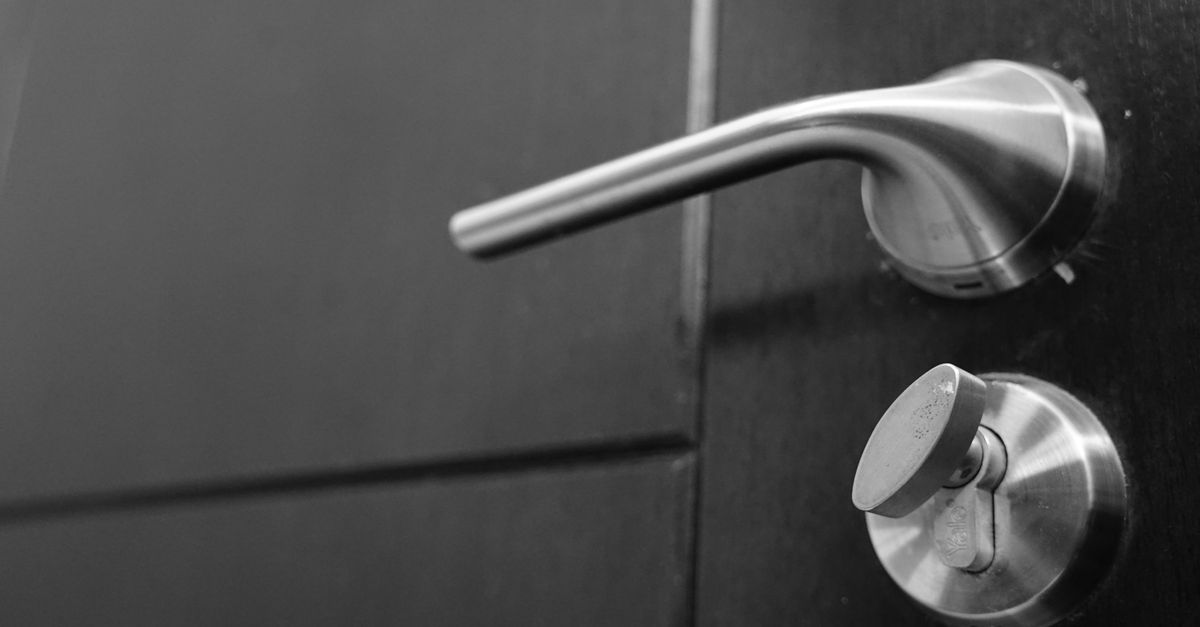
Most people picture a break-in as something dramatic, but the mechanics are often mundane and fast. A door knob lock, for instance, is one of the easiest points of failure in any residential door — the latch bolt is short, the strike plate is usually held by half-inch screws, and the knob cylinder itself offers minimal resistance to twisting force. When someone attempts to break into a door knob lock, the damage almost always extends beyond the lock itself: the strike plate pulls away from the jamb, the wood splinters around the mortise pocket, and the door may no longer sit square in the frame. Repairing only the lock while leaving the frame damage untouched is one of the most common mistakes we see — it creates a door that looks repaired but fails on the next strong kick.
A mortise lock tells a different story. Originally designed for institutional and commercial environments, a quality mortise lock embeds deeply into the door edge and distributes force across a much wider steel body. That is why we treat mortise lock installation as a core part of every post-burglary upgrade we recommend — not just a like-for-like replacement. When a mortise lock does sustain damage during a forced entry, the repair is more involved: the mortise pocket must be inspected for wood compression, the lock body itself checked for bent internals, and the cylinder re-keyed or replaced entirely. Our technicians carry mortise lock components for both residential and commercial doors, so there is no second trip waiting on parts.