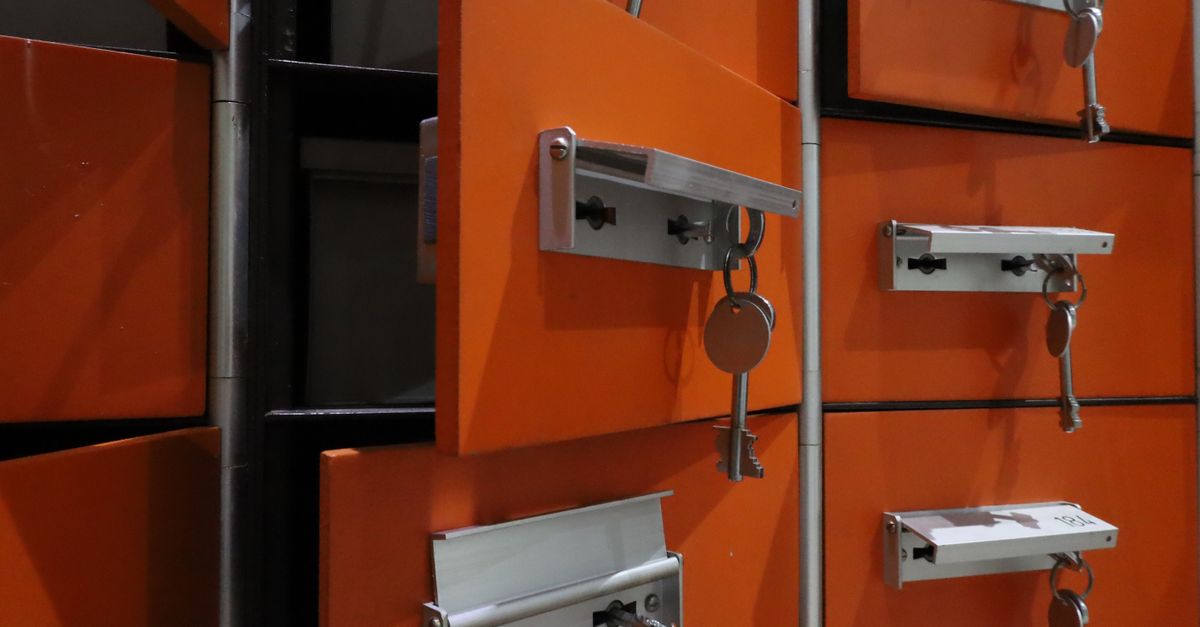

Why Master Key Systems for DuPage Businesses Require Tiered Planning
A tiered master key plan is built around a hierarchy: individual change keys (which open only one specific lock), department-level masters (which open all locks within a defined zone), building masters (which span an entire facility), and grand masters (which cover multiple buildings or campuses). For a DuPage County employer managing 40 employees across three floors in Lisle, that hierarchy might look like five distinct key levels — each one mathematically keyed so that no unintended cross-access is possible. This is not a project you want approximated. Our technicians draw up a written keying chart before a single lock cylinder is touched, mapping every door, every access level, and every key holder by role. You sign off on the plan before we begin, and you receive a permanent record of that chart for future reference.
The PASS-compliant component of this work matters especially for businesses that handle sensitive data, pharmaceuticals, or financial records — industries well represented throughout DuPage County. PASS cylinders use patented keyways and restricted key blanks that cannot be duplicated at a hardware store or a self-service kiosk. That means a lost key poses a controllable risk rather than an uncontrollable one: you can track exactly how many keys exist in the system and, if necessary, rekey only the affected level of the hierarchy rather than replacing every lock in the building. Over the lifespan of a commercial property, that selective rekey capability alone justifies the upfront investment in a purpose-built system.