What Is a Mortise Lock and Why Commercial Doors Depend on Them
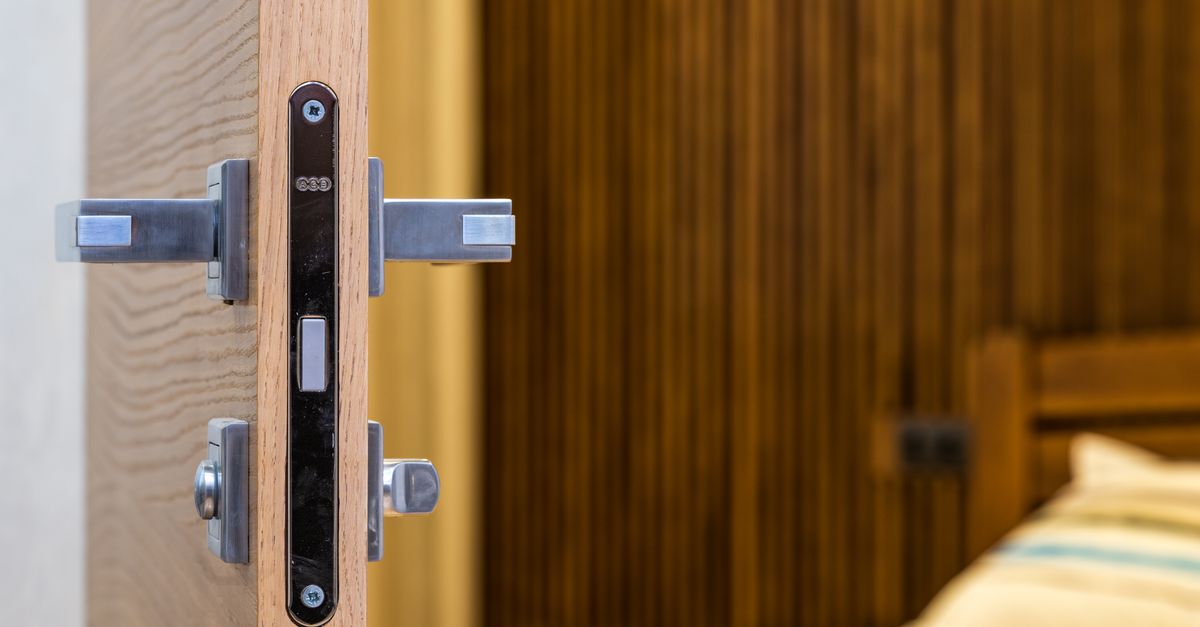
A mortise lock is distinguished from surface-mounted and cylindrical alternatives by the way it integrates multiple locking functions into a single steel case. The case sits inside a precisely routed pocket in the door edge, so the mechanism itself is fully concealed and protected from tampering. A typical commercial mortise lock set includes a latch bolt for latching, a deadbolt for security, lever or knob trim, a strike box, and — critically for keyed entry — a replaceable mortise lock cylinder that accepts a standard cam-driven key. This modular cylinder design means a locksmith can re-key or upgrade just the cylinder without disturbing the rest of the lock body, which is a significant advantage in busy commercial environments where key control changes frequently.
Institutions in DuPage County — schools, healthcare facilities, municipal buildings, and multi-tenant office complexes — overwhelmingly specify mortise hardware for exterior and high-traffic interior doors precisely because of that durability and serviceability. Brands such as Corbin Russwin and Baldwin have long been the go-to specifications for architects and facility managers on commercial projects across the region. A Corbin Russwin mortise lock, for example, is engineered to withstand millions of operating cycles, but even premium hardware eventually needs a skilled locksmith to adjust worn case parts, replace a fatigued mortise lock cylinder, or reset a malfunctioning anti-pick feature. Our technicians have hands-on familiarity with these institutional-grade lines as well as the Baldwin mortise lock sets often specified for upscale mixed-use and boutique commercial properties.