
Smart Lock Installation: What the Process Actually Involves
A proper smart lock installation is more than unboxing a device and following a manufacturer's quick-start guide. Our technicians begin with a door assessment — checking the door thickness, the hinge alignment, the existing strike plate, and whether the frame is plumb and solid enough to support the new hardware. A door that shifts or swings freely may need adjustment before any electronic lock can function reliably. We also verify the backset (the distance from the door edge to the center of the existing bore hole), because getting this wrong means a lock that either doesn't latch or can't be deadbolted properly.
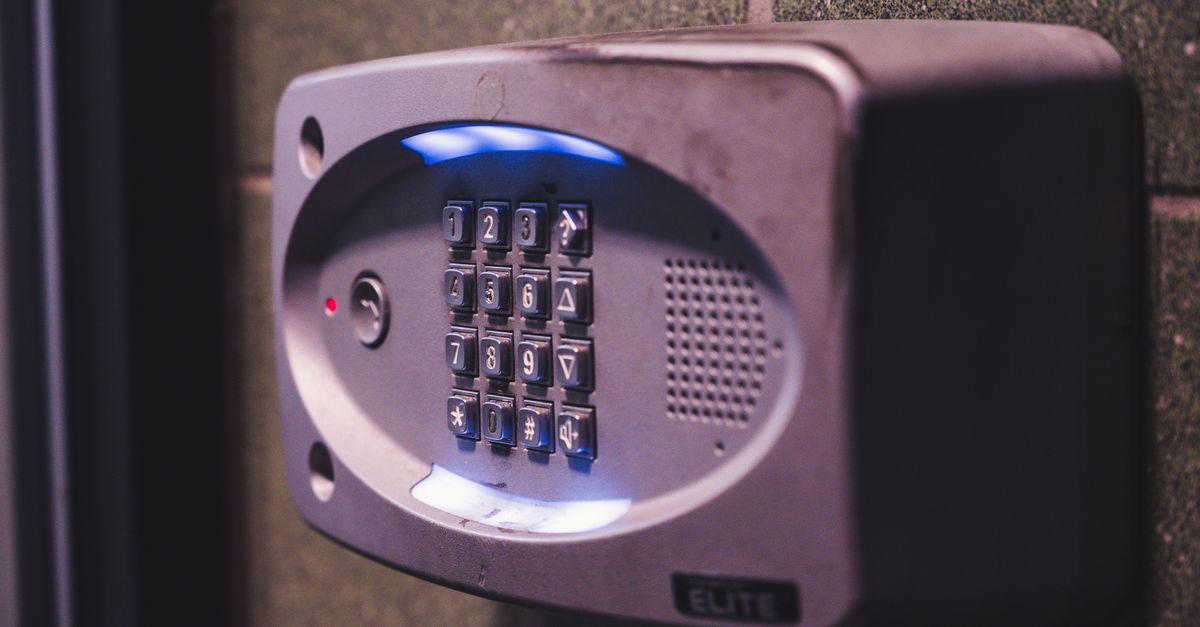
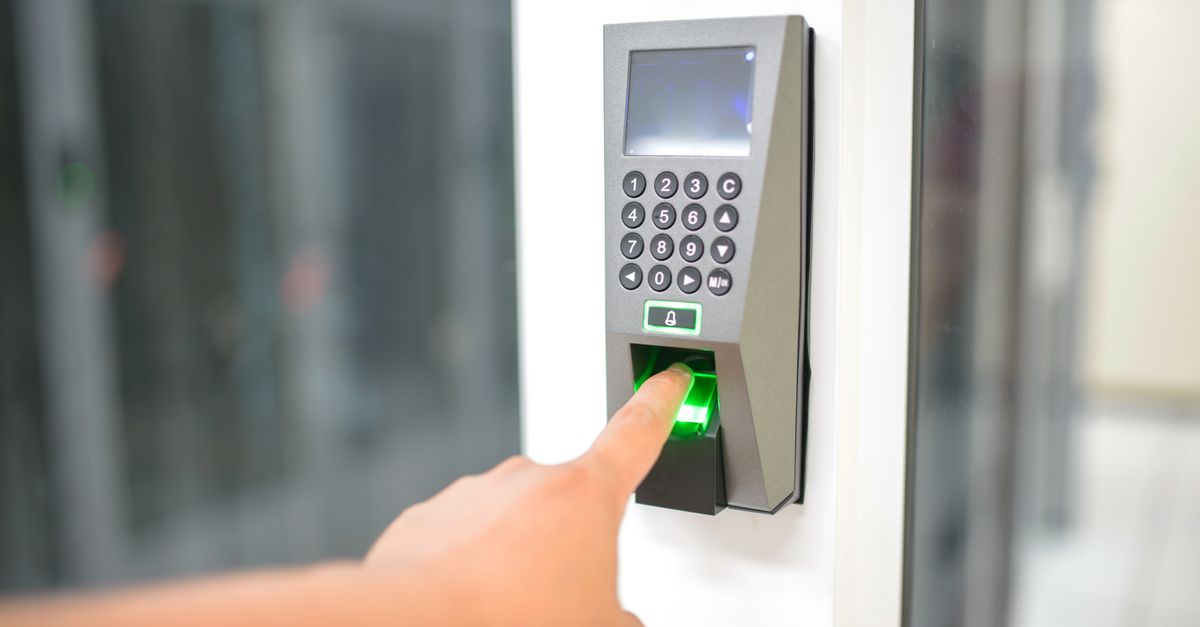
From there, our team matches the right product to your door type. Cylindrical keypad locks — sometimes called smart lock door knob replacements — work well on most standard residential doors with a 2-1/8-inch bore. Deadbolt-style smart locks layer on top of your existing hardware or replace it entirely. For older DuPage County homes, particularly those built in the mid-20th century with thicker, solid-wood doors, a mortise smart lock is often the most appropriate and secure solution. Mortise locks fit into a pocket cut into the door edge rather than through a cylindrical bore, making them significantly more robust and tamper-resistant. We carry the tooling to install or replace mortise lock hardware without damaging surrounding door trim or the door slab itself.