Why Audi Car Key Replacement Is More Complex Than It Looks
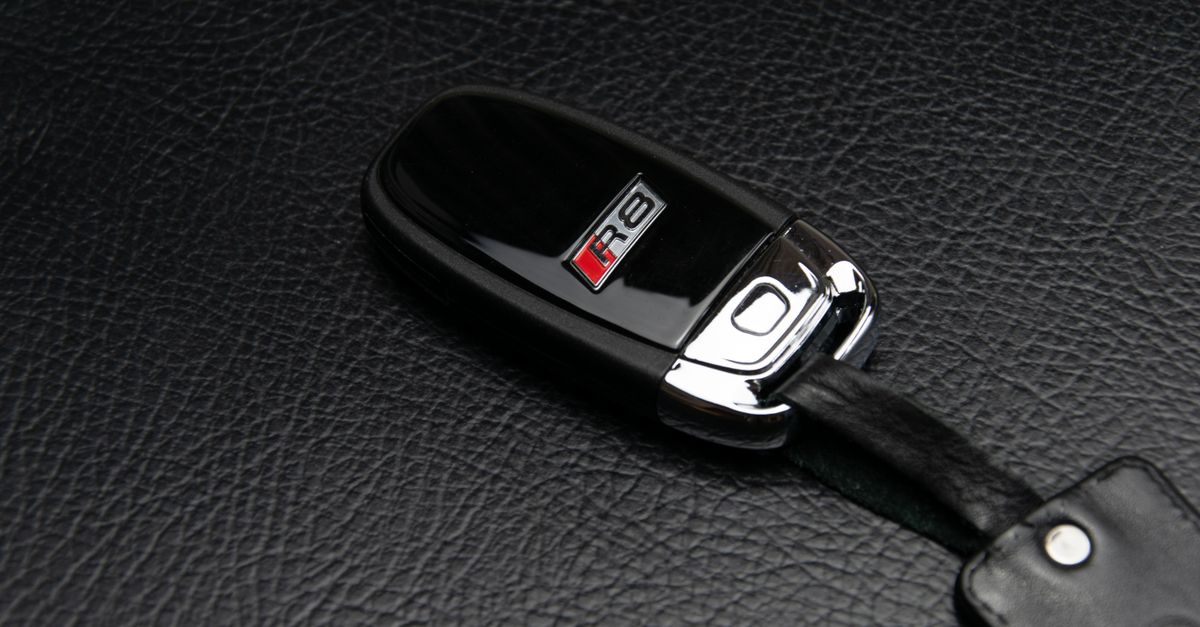
Audi has layered multiple security technologies into its keys since the mid-1990s. Even what appears to be a simple metal key on an older A6 or TT contains a transponder chip embedded in the head — remove the chip, and the engine immobilizer prevents the car from starting even if the blade turns the ignition perfectly. Newer Audi models use rolling-code key fobs, remote flip keys, and full proximity smart keys that communicate with the vehicle's central control modules. Programming these keys requires OEM-level or equivalent diagnostic software, not a generic key programmer you can order online. Our technicians carry professional-grade equipment capable of reading, writing, and verifying Audi-specific immobilizer data across a broad range of model years.
The Audi key replacement process our team follows is methodical: we first confirm your identity and ownership of the vehicle — a step we take seriously and never skip — then we assess exactly which key type your vehicle requires, cut the mechanical blade to your vehicle's lock profile using on-site cutting machinery, and program the new key or fob to your car's ECU. For vehicles where all keys are lost, we perform a full key-relearn procedure so the old, potentially stolen key is simultaneously de-authorized. This all happens at your location, whether that's a Forest Preserve parking lot off Butterfield Road in Oakbrook or a private driveway in Glen Ellyn.