What Makes a Cylinder High-Security: Restricted Keyways and Pick Resistance Explained
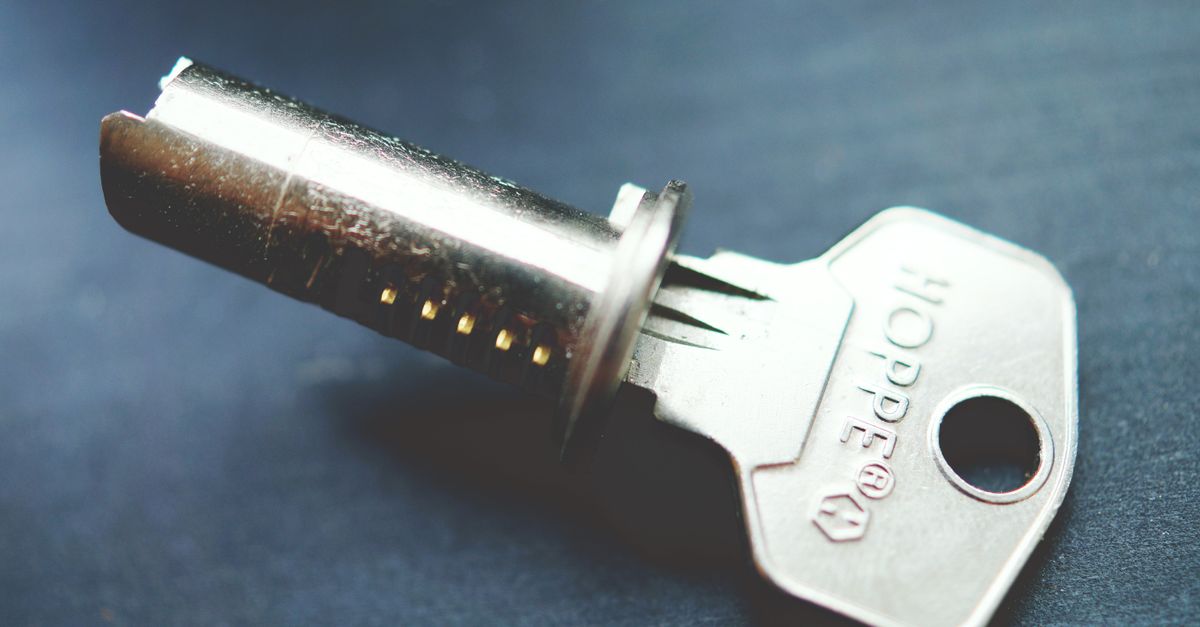
A standard residential cylinder uses a basic five- or six-pin stack that a skilled attacker can compromise in seconds using widely available tools. Pick-resistant cylinders defeat this by introducing security pins — spools, serrated discs, or mushroom pins — that create false sets during a picking attempt, stalling or entirely blocking the attack. Some of the most trusted hardware brands we install, including Medeco, Mul-T-Lock, and Abloy, combine these advanced pin configurations with sidebar mechanisms that add a second, independent locking element. The result is a cylinder that holds up not just against picking but also against raking, bumping, and impressioning — four of the most common low-skill attack methods used in residential and light-commercial break-ins across Illinois.
Restricted keyways take the security equation a step further by controlling who can duplicate your key. Standard keys can be copied at any hardware store in minutes. A restricted keyway is a patented profile that key-blank manufacturers are contractually prohibited from distributing to the general public, meaning duplicates can only be cut by authorized dealers — like our team. This matters enormously for landlords in Carol Stream managing tenant turnover, for office managers in Itasca tracking who holds keys to server rooms, and for homeowners in Elmhurst who've recently had a contractor or houseguest with unsupervised key access. Key control is not paranoia; it is the logical extension of any serious security plan.