Carl Locksmith Service Team
Local locksmith team
Mar 13, 2026 10 min read
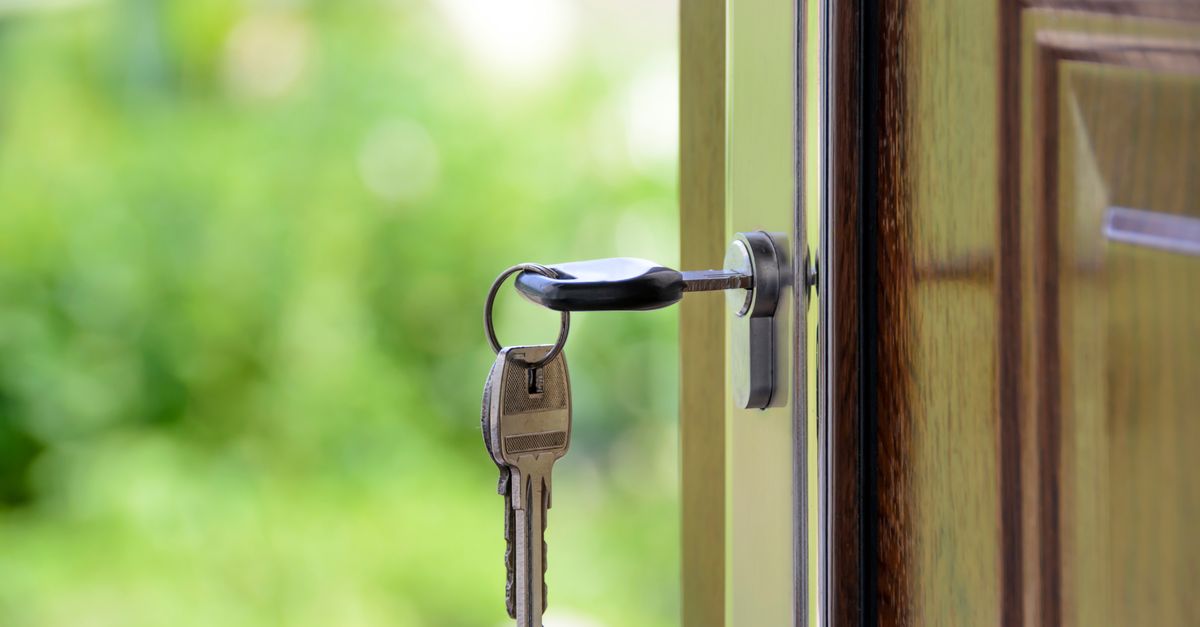
If you manage apartments along Ogden Avenue in Westmont, oversee a medical office complex near the Oakbrook Terrace Tower, or maintain a multi-building school campus anywhere in DuPage County, you already know the headache of juggling dozens — sometimes hundreds — of keys. Staff members carry bulging key rings, maintenance crews need broad access, and tenants expect privacy. A well-engineered master key system cuts through that chaos by creating a logical hierarchy of access, so the right people get in exactly where they need to go — and nowhere else.
This guide breaks down how master key hierarchies actually work, why mortise lock hardware is the backbone of most serious commercial installations, and what property managers across DuPage County should know before calling a commercial locksmith to design or expand a system. Whether you manage a residential apartment building in Lisle, a professional office park in Downers Grove, or an institutional campus in Wheaton, the principles are the same — and getting them right from the start saves significant time, money, and security headaches down the road.
## How a Master Key Hierarchy Actually Works
A master key system is a planned, mechanical keying arrangement in which individual keys open only specific locks, while keys at higher levels of the hierarchy open progressively broader groups. At the bottom of the pyramid sit change keys — one per unit or office, issued to the occupant. Above those sits the master key, which opens every lock in a defined zone or building. Large institutional properties often add a grand master key (opens multiple buildings) and even a great-grand master key (opens an entire campus). Each level is engineered into the pin tumbler or mortise lock cylinder so that the same physical lock responds to two or more keys without compromising the isolation between individual users.
The engineering behind this relies on what locksmiths call 'master wafers' or split pins inside the lock cylinder. When a change key is inserted, only the individual cut lifts each pin to the shear line. When the master key is inserted, a secondary shear line — created by the split pin — aligns instead, allowing the cylinder to rotate. This is not a workaround or a compromise; it is a deliberate, precise manufacturing process. The complexity grows quickly: a property with 50 units, 3 building zones, and a maintenance master requires careful key-space planning so that no two levels accidentally cross over. That planning is exactly what an experienced commercial locksmith brings to the table.
## Why Mortise Lock Hardware Is the Commercial Standard — and What It Means for Your System
Walk into almost any institutional building — a hospital corridor, a university residence hall, a large apartment complex — and you will find mortise locks recessed into the edge of the door rather than surface-mounted like a standard door knob lock. A mortise lock houses its latch, deadbolt, and cylinder in a single rectangular case that sits inside a pocket routed into the door itself. This design is dramatically more resistant to kick-in, wrench attacks, and cylinder-pulling attempts than a traditional door knob lock, which is why it is the preferred platform for master key systems in multi-tenant and institutional settings across DuPage County.
From a master key standpoint, mortise locks accept interchangeable cylinder cores — the removable insert that contains the pin tumblers — which makes rekeying or upgrading a large system far more efficient. Instead of replacing the entire lockset when a tenant moves out, a trained locksmith swaps the core in under a minute. Brands like Schlage and Yale manufacture mortise cylinders specifically designed for high-level master key systems, with the pin chamber counts and tolerances needed to support grand master and great-grand master configurations without creating what locksmiths call 'cross-keying' — the accidental condition where a key at one level opens a lock it should not. If your property currently relies on door knob locks throughout, a commercial locksmith assessment can show you where upgrading to mortise hardware makes the biggest security impact.
## Designing a Master Key System for Multi-Tenant and Institutional DuPage County Properties
Good master key system design starts with an access matrix — a simple grid mapping every door against every user group. For a residential apartment building, the matrix might show: tenant key opens Unit 101 only; building master opens all units on floors 1–3; grand master opens all buildings; maintenance key opens all utility rooms but no residential units. For an institutional property like a school or healthcare facility, the matrix grows more complex: department heads might need a sub-master for their wing, while a facilities director carries the grand master. Drawing this out before a single lock is ordered prevents the most common and expensive mistake in master key projects — discovering mid-installation that the key space is exhausted or that two access levels conflict.
In DuPage County specifically, properties near Naperville's mixed-use corridors or the dense commercial stretches of Elmhurst often combine residential and retail tenants under one roof, creating hybrid access needs that a one-size-fits-all approach cannot handle. A skilled locksmith will survey the property, count cylinders, identify door types, assess existing hardware, and deliver a written key system chart before any work begins. That chart becomes your permanent reference — essential when adding a new tenant, onboarding a contractor, or responding to a lost key. Carl Locksmith offers exactly this kind of structured commercial locksmith consultation, and our team is available around the clock for urgent assessments. Call (630) 701-1169 any time to schedule.
## Key Control, Emergency Locksmith Response, and What to Do When the System Is Compromised
A master key system is only as secure as your key control policy. Every key issued should be logged — who received it, what date, what level of access — and keys should never be duplicated at a hardware store. High-security master key cylinders from manufacturers like Medeco or Schlage Everest carry restricted keyways, meaning blanks are not available over the counter, and copies can only be made by an authorized locksmith with the account holder's approval. This single measure eliminates one of the most common vulnerabilities in multi-tenant buildings: unauthorized duplicates circulating through former tenants or contractors. When a key at any level goes missing, the protocol matters. A lost change key may only require rekeying one unit. A lost master key may require rekeying every lock in a zone — a situation where having interchangeable mortise lock cores pays for itself immediately.
That is also when emergency locksmith response becomes critical. A property manager who discovers a missing master key at 11 p.m. cannot wait until morning. Carl Locksmith operates 24/7 across DuPage County — from Addison to Woodridge, Roselle to Darien — and can dispatch a skilled technician to assess the scope of the breach, rekey affected cylinders, and issue an interim key set the same night. We carry a broad inventory of mortise lock cores and cylinder hardware on our mobile units specifically because institutional emergencies do not follow business hours. The cost of an emergency service call depends on factors like the number of cylinders affected, the specific hardware brand and keyway, travel distance within the county, and time of service — we confirm an exact up-front price before any work begins, so there are no surprises on the invoice.
## Residential Master Key Systems, Trusted Hardware Brands, and Our Full-Service Offering for DuPage County
Master key systems are not exclusive to large institutional campuses. Residential property owners with as few as four to six units benefit enormously from a simple two-level system: individual tenant keys at the base, a single owner or manager master above. A well-executed residential master key system using quality Schlage or Kwikset commercial-grade cylinders gives a landlord the ability to access any unit for inspections or emergencies without carrying a separate key for every door. It also eliminates the awkward situation of a former tenant retaining a working copy, since the system can be rekeyed at the cylinder level without replacing hardware. For owners of vintage two-flats and courtyard buildings — common in the older neighborhoods of Wheaton and Glen Ellyn — this kind of organized access hierarchy is a practical upgrade that takes a single afternoon to install.
At Carl Locksmith, our services cover the full spectrum of what DuPage County property managers and homeowners need: mortise lock installation and rekeying, master key system design and expansion, grand master and great-grand master keying, restricted keyway systems, high-security cylinder upgrades, commercial door knob lock replacement, access control integration, door hardware repair, deadbolt installation, lock-out response for residential and commercial properties, car lockout service, ignition repair and replacement, transponder key programming, key fob replacement, broken key extraction, safe opening and combination changes, door frame reinforcement, sliding door lock repair, padlock keying, mailbox lock replacement, intercom-integrated lock systems, cabinet and drawer lock installation, panic bar and exit device service, and after-hours emergency locksmith dispatch. Every service comes with an up-front confirmed price, insured workmanship, and a technician who arrives in a marked mobile unit fully stocked for the job. If you are ready to bring order to your property's access system — or if you have an urgent situation right now — call (630) 701-1169. We answer 24/7, every day of the year.
Frequently asked questions
Do you need a license to be a locksmith in Illinois?+
Illinois does not currently require a statewide locksmith license, which means the quality and training of locksmiths can vary widely. What matters most when hiring someone to design or service a master key system is verifiable experience with commercial hardware, a professional track record, and insured workmanship. Carl Locksmith's team is trained and experienced in mortise lock systems, high-security cylinders, and institutional keying — and we carry insurance so you and your property are protected on every job.
How much should an emergency locksmith cost?+
There is no universal flat rate for emergency locksmith services because the final price depends on several real variables: the type and brand of hardware involved (a mortise lock cylinder rekey costs differently than a door knob lock), the number of locks affected, the time of day, travel distance within DuPage County, and whether any parts need to be replaced on the spot. What Carl Locksmith guarantees is that you receive a confirmed, exact price before any work starts — no hidden fees, no after-the-fact surprises. Call (630) 701-1169 and describe your situation; we will give you a clear quote immediately.
What are common reasons to call a locksmith for a commercial or multi-tenant property?+
The most frequent calls we receive from DuPage County property managers involve: a tenant moving out and needing a cylinder rekeyed, a lost master key requiring a zone-wide rekey, a mortise lock that has failed or been damaged, a need to expand an existing master key system to cover a new unit or building, a broken key stuck in a commercial cylinder, a malfunctioning panic bar or exit device, and after-hours lockout situations where a staff member or tenant is stranded. Master key system design and installation consultations are also very common, especially for properties converting from individual locksets to a unified hierarchy for the first time.
What is the crime rate in DuPage County, Illinois, and does it affect what kind of lock system I should install?+
DuPage County consistently ranks among the safer counties in Illinois, with relatively low property crime rates compared to many surrounding areas — a fact that often gives property managers a false sense that basic locks are sufficient. In practice, the greatest security risk in multi-tenant buildings is not outside criminals but internal access control failures: lost master keys, unauthorized key copies, and locks that have not been rekeyed after tenant turnover. A properly designed mortise lock master key system with restricted keyways addresses all three of these vulnerabilities directly, making it a sound investment regardless of the local crime rate. Good access control is about management and accountability as much as it is about resisting physical attack.