Carl Locksmith Service Team
Local locksmith team
Jul 31, 2026 12 min read
When you are standing at the hardware store staring at a wall of lock options — or getting a quote for a new door installation on your Naperville ranch home or your Wheaton retail storefront — the choice between a mortise lock and a door knob lock can feel more complicated than it should. Both secure a door. Both use a key. But they are built differently, installed differently, and suited for very different jobs. Picking the wrong one means either overspending on hardware your door does not need, or underspending on security your property absolutely does.
At Carl Locksmith, our experienced team has been helping DuPage County homeowners and business owners navigate exactly this decision for decades. Whether you are replacing aging hardware on a bungalow near the Wheaton College campus or upgrading the entry system on a commercial suite off Route 59, understanding what each lock type does — and where each falls short — is the fastest way to make a confident, lasting choice. This guide breaks it down in plain terms so you can walk away knowing exactly what your door needs.
## What Is a Mortise Lock — and How Does It Differ From a Door Knob Lock?
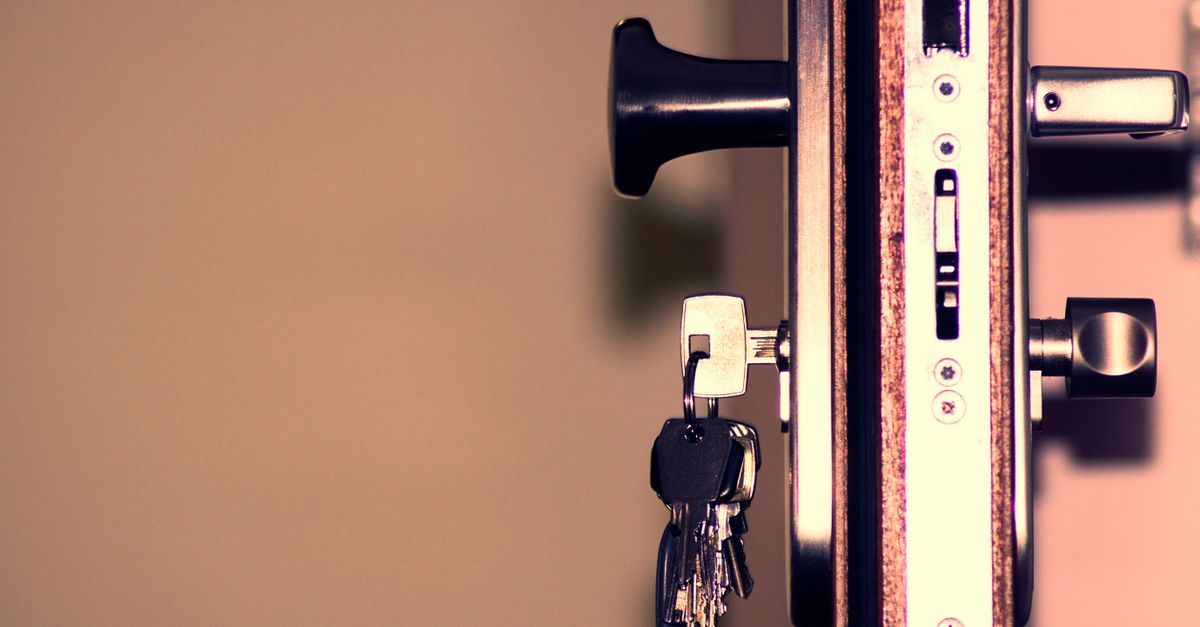
A mortise lock is a lock mechanism that is recessed directly into a carved-out pocket — the mortise — inside the door's edge. Because the entire body of the lock sits within the door, it distributes force across a much wider section of the door frame rather than concentrating stress on a single point. A full mortise lock set typically includes the lock body itself, a trim plate, a handle or lever, and a separate deadbolt function all combined in one unified cartridge. This is the hardware you will find on the heavy wood and steel doors of older commercial buildings along Ogden Avenue, on historic homes in Glen Ellyn's established neighborhoods, and on high-traffic multi-tenant entrances throughout DuPage County.
A door knob lock — sometimes called a knob lock or cylindrical lock — mounts through a round bore hole drilled straight through the face of the door. The entire mechanism, including the latch and the keyed cylinder, lives inside the knob itself. This is the standard hardware found on the vast majority of residential interior doors, bedroom doors, and lighter exterior doors across the country. A door knob with lock and key combination is quick to install, widely available at any home center, and straightforward to replace. However, because the cylinder is exposed and the mounting hardware is surface-mounted rather than recessed, a knob lock on its own offers considerably less resistance to physical force than a properly installed mortise lock set.
## Residential Doors: When a Door Knob Lock Is the Right Call
For interior doors — a home office, a bathroom, a bedroom — a door knob with lock is almost always the correct and proportionate choice. The threat level is low, the doors are lighter, and ease of use matters more than maximum security. A quality Schlage or Kwikset knob lock on an interior door will serve a DuPage homeowner reliably for many years with minimal maintenance. For light-use exterior side doors, like a door from an attached garage into a mudroom, a knob lock paired with a separate deadbolt above it is a practical and common combination. The deadbolt carries the security load; the knob lock handles the latch and day-to-day convenience.
Where residential knob locks start to fall short is on primary exterior entry doors used as the main point of entry. A door knob lock on its own is not designed to be a primary security barrier. The exposed knob can be gripped, torqued, or defeated with enough force, and the relatively short latch bolt does not provide the same holding power as a recessed mortise bolt. If you are in a home with original 1960s or 1970s hardware, or if your exterior door shows any sign of a loose knob, a sticky latch, or a keyway that has been re-keyed many times over the decades, a call to our team at (630) 701-1169 is the most efficient first step — we can assess whether a hardware upgrade or a re-key is the right move for your specific door and frame.
## Commercial and Institutional Doors: Why Mortise Locks Are the Industry Standard
On commercial and institutional properties — office buildings, schools, medical offices, multi-family housing, retail storefronts — a mortise lock is not a luxury upgrade. It is the baseline expectation. Commercial doors endure a volume of daily openings and closings that would wear out a cylindrical knob lock in a fraction of the time. A properly installed mortise lock set handles that load because the mechanism is housed in solid metal inside the door's core, not in a relatively small cylinder attached to the face. The integrated design also allows a single trim piece to include a lever handle, a deadbolt, a privacy function, and a keyed entry — all coordinated in one piece of hardware that meets commercial building codes.
DuPage County commercial properties face the same security considerations as any dense suburban market — and the area's low overall crime rate is not a reason to cut corners on access control. Thoughtful, layered security is what keeps that rate low. Our commercial locksmith services cover mortise lock installation, repair, and replacement across the full range of DuPage County commercial settings, from small professional offices in Lisle to larger institutional facilities in Downers Grove. If your building currently has a patchwork of aging cylindrical hardware and you are looking to standardize, our experienced team can assess your doors, recommend the right mortise lock grade for each opening, and handle the installation cleanly — with no guesswork left for a future property manager to sort out.
## How to Pick a Door Knob Lock — What Homeowners Should Actually Know About Vulnerability
One of the most common questions our team gets, usually framed as 'how to pick a door knob lock,' is really a security awareness question in disguise: people want to know how vulnerable their hardware is, not how to actually bypass a lock. Here is what matters practically. A standard knob lock's keyed cylinder can be vulnerable to picking, shimming, or bypass if it is a lower-grade or heavily worn mechanism. This is not a tutorial in techniques — it is a reason to know your lock's grade. The American National Standards Institute (ANSI) grades residential locks on a scale of 1 to 3, with Grade 1 being the most durable and secure. Most builder-grade knob locks are Grade 3 — the minimum. If your exterior knob lock is Grade 3, pairing it with a Grade 1 deadbolt is a practical and cost-effective security improvement without replacing the entire door prep.
The more important takeaway is this: if you are locked out of your home or business, the right call is always to a qualified locksmith — not to attempt to force or bypass the lock yourself. Forced entry, even on your own property, can damage the door frame, the door itself, and the lock in ways that cost more to repair than the original lockout service would have. Our team can verify ownership and get you back inside without damaging your hardware. If you are locked out anywhere in DuPage County, call (630) 701-1169 and we will dispatch a skilled technician to your location — day or night.
## Making the Right Choice: A Practical Decision Guide for DuPage County Homeowners and Businesses
Here is how to think about it in straightforward terms. If the door is an interior door in a home or a light commercial space, a quality knob lock is proportionate and practical. If the door is a primary residential exterior entry, pair a knob lock or lever with a Grade 1 deadbolt above it — or consider upgrading to a single mortise lock set if the door is solid wood or steel and the frame supports the deeper pocket required. If the door is a commercial or institutional entry, a mortise lock is almost certainly what the application calls for, both for durability and for code compliance in Illinois commercial construction.
What determines the final quote for any lock installation or replacement? Several factors come into play: the type and grade of lock being installed, whether the door requires new boring or modification to accept a mortise body versus a cylindrical prep, the time of day for emergency calls, travel distance within DuPage County, and any additional parts or hardware needed for a complete installation. Our team always confirms an exact, up-front price before any work begins — no surprises on the invoice. Whether you are in Bloomingdale, Addison, Westmont, or anywhere else across DuPage County, Carl Locksmith's professional team is available 24 hours a day, 7 days a week. For an assessment, an installation quote, or an emergency lockout, call (630) 701-1169 — we answer every call, any hour.
## 25 Locksmith Services Carl Locksmith Provides Across DuPage County
Our trained team handles a wide range of residential, commercial, and automotive lock needs throughout DuPage County, including: mortise lock installation on new and existing doors; mortise lock repair and component replacement; cylindrical knob lock installation and replacement; deadbolt installation and grade upgrades; re-keying residential door locks after a move or lease change; re-keying commercial lock systems to a master key hierarchy; high-security lock upgrades using Schlage or Kwikset Grade 1 hardware; lock hardware assessment and security vulnerability review; emergency residential lockout response; emergency commercial lockout response; emergency automotive lockout response for cars, trucks, and SUVs; car key cutting for standard keys; transponder key programming; key fob replacement and programming; broken key extraction from door locks; broken key extraction from ignition cylinders; ignition switch repair and replacement; door frame reinforcement after a forced-entry event; commercial access control consultation; keypad and electronic lock installation for residential entry doors; keypad and electronic lock installation for commercial access points; safe opening for residential and commercial safes; safe combination changes; window lock and secondary security hardware installation; and lock hardware consultation for new construction and renovation projects throughout DuPage County.
## Brands We Trust for Mortise Locks and Door Hardware
The quality of the lock you install is only as good as the hardware inside it. For mortise lock sets on both residential and commercial doors, our team works with manufacturers whose internal components — cylinders, bolts, cams, and trim — are built to outlast the door they are installed in. Schlage commercial mortise hardware carries some of the most rigorous cycle ratings in the industry and is a dependable choice for high-traffic commercial openings. For residential applications where a mortise format makes sense, Kwikset's commercial-grade line offers solid construction at a realistic scale for home use. Our team stays current on product lines, grade ratings, and compatibility with Illinois door profiles so we can recommend the right model for your specific door thickness, bore configuration, and security requirements — not just whatever happens to be on a shelf. We source hardware with the expectation that it will not be calling us back for a warranty failure in eighteen months.
Frequently asked questions
What is a mortise lock and do I actually need one for my home?+
A mortise lock is a locking mechanism that is set into a recessed pocket carved into the door's edge, housing the bolt, latch, and often a deadbolt function all in one solid unit. Most DuPage County homeowners do not need a mortise lock on every door — they are most valuable on heavy primary entry doors, particularly on older homes with solid wood doors that already have the mortise pocket cut, and on any door that receives very high daily use. If your home has standard 1-3/8 inch hollow-core interior doors or lighter exterior doors with a standard cylindrical bore, a quality knob lock paired with a separate deadbolt is a more practical fit. Our team can assess your specific door and tell you which hardware is the right match.
What are the most common reasons to call a locksmith in DuPage County?+
The calls our team receives most often fall into a handful of categories: residential lockouts after keys are lost or left inside, automotive lockouts in parking lots and driveways across the county, re-keying requests after a move into a new home or after a tenant turnover on a rental property, broken key extraction from door locks or ignition cylinders, deadbolt and lock upgrades for improved security, and commercial lock repair or replacement when hardware fails on a business entry. Occasionally we are called after a forced-entry event to repair the lock, reinforce the door frame, and assess whether the existing hardware needs a full replacement. If you are not sure whether your situation warrants a service call, just call (630) 701-1169 and describe what you are dealing with — we can tell you quickly what the right course of action is.
Do I need a license to be a locksmith in Illinois, and does that affect who I should hire?+
Illinois does not currently require locksmiths to hold a state-issued trade license in the same way that electricians or plumbers do. What this means for you as a consumer is that the best indicators of a qualified locksmith are not a license number on a business card but rather verifiable experience, insurance coverage, a transparent pricing process, and a real local presence. Carl Locksmith is insured, and our team is made up of trained, experienced professionals with deep familiarity with DuPage County properties and hardware. We confirm pricing up front before any work begins, and we stand behind the work we do.
Is there a 24-hour locksmith serving DuPage County, and what affects the cost of an emergency call?+
Yes — Carl Locksmith is available 24 hours a day, 7 days a week across DuPage County, including nights, weekends, and holidays. For emergency locksmith calls, the factors that go into your final quote include the type of lock or vehicle involved, the time of day, the travel distance to your location within the county, and any parts or replacement hardware required for the job. We always confirm the exact price with you before any work begins so there are no surprises. To reach us any time of day or night, call (630) 701-1169.